
Greek Islands to Visit By Camper: Advice After 30 Years of Experience
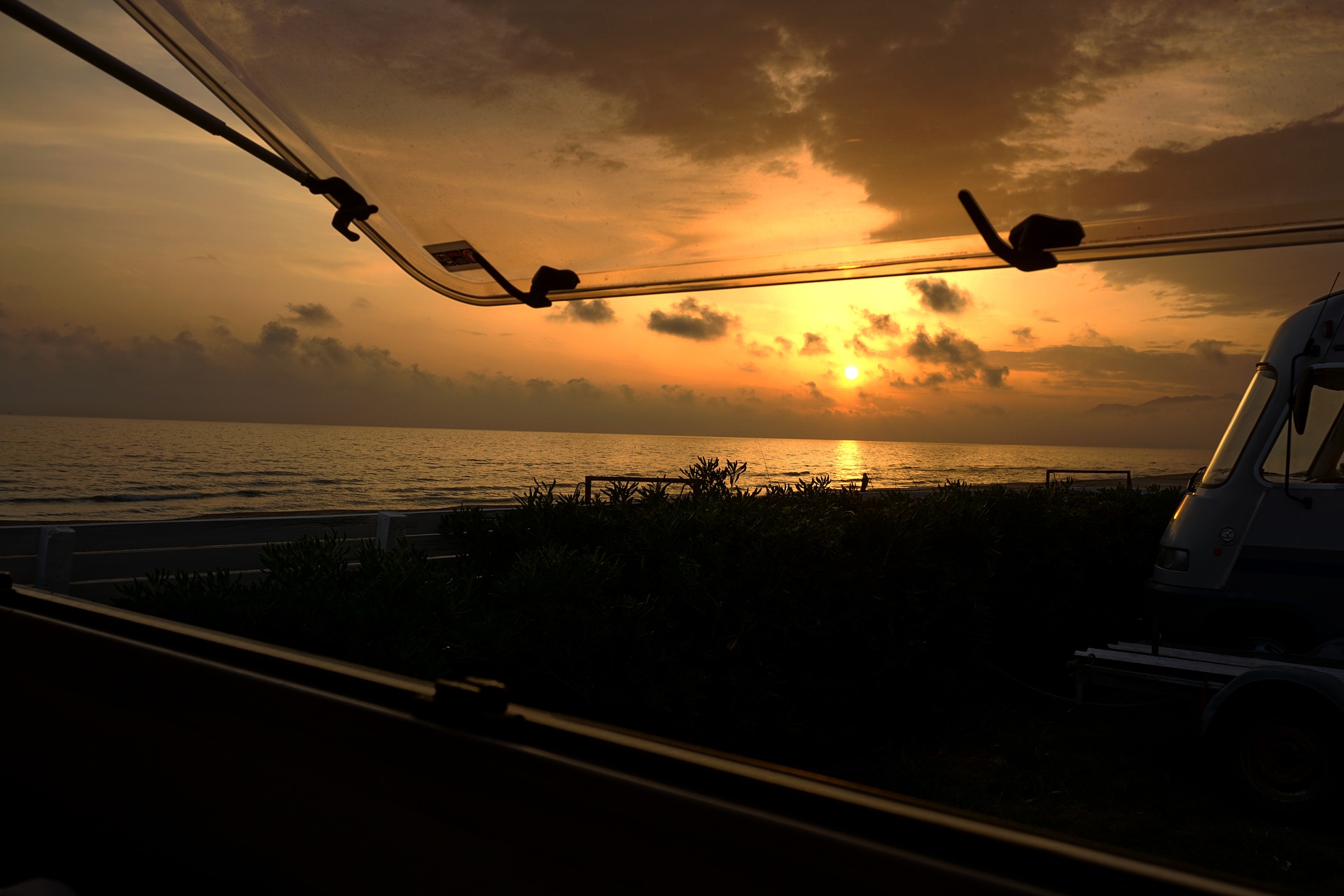
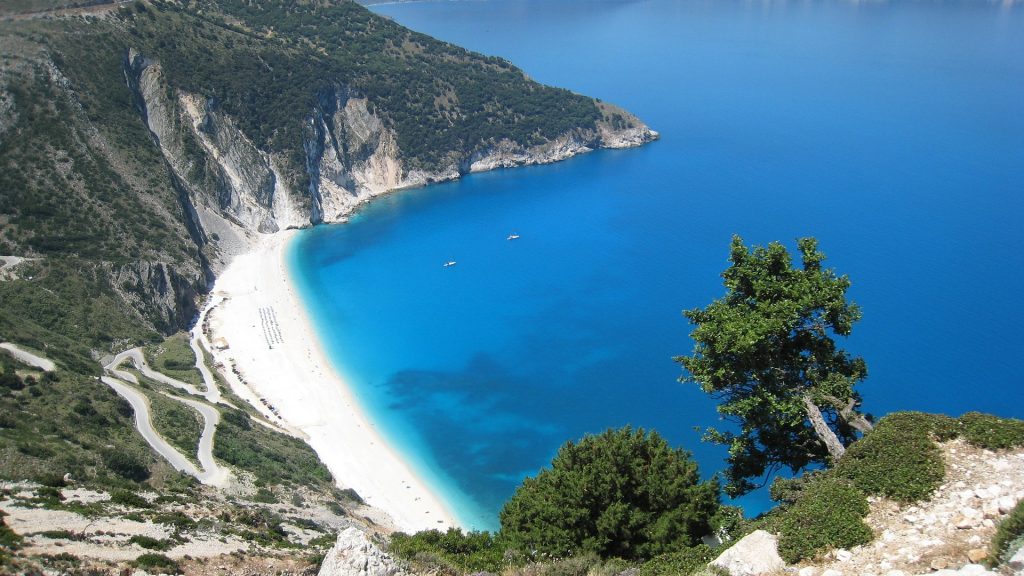
Cephalonia (Ionian)
On this island, it seems that free camping is not well tolerated, but there are two campsites. Cephalonia is one of the easiest Greek islands to reach by camper as there are ferries from Adriatic ports (e.g. Brindisi, Italy) that stop directly on the island.The roads are very varied: there are both wide and comfortable roads and narrow and winding ones. There are several places to park freely, and most beaches are easily reachable by camper, while for the more hidden ones, dirt roads are necessary. It is forbidden to stop for the night on the mythical Myrtos beach. 🏡 See the best hotels and studios in Cephalonia
🛳️ Find a ferry to Cephalonia
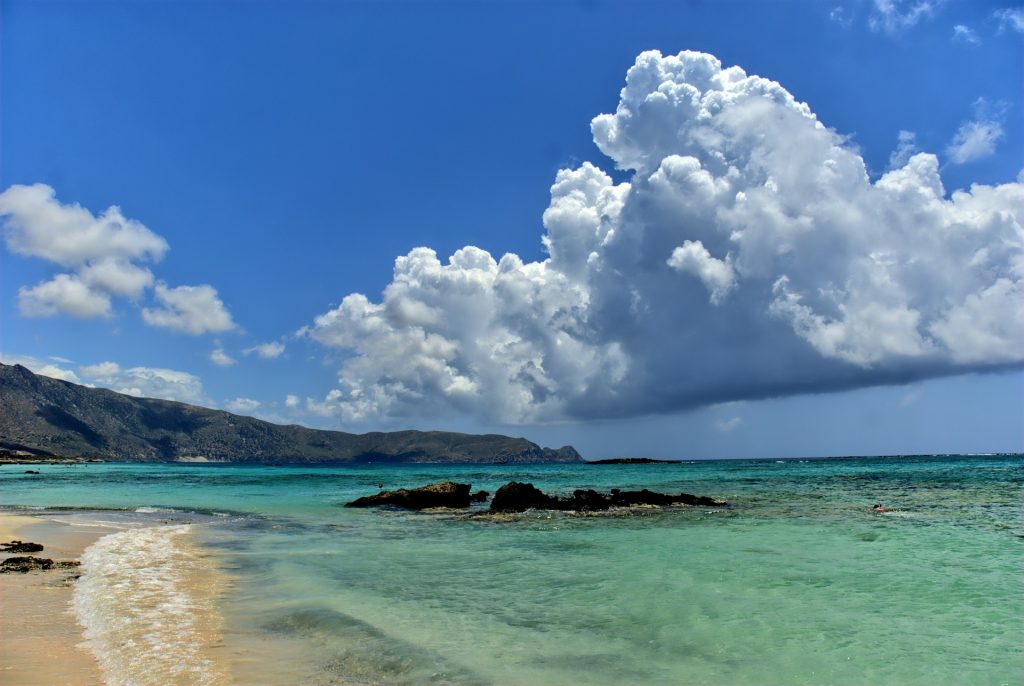
Crete
Reaching Crete by camper takes about two or three days of travel with two ferries, but once there, the vehicle is certainly perfect for visiting it best. The island offers several campsites (to be used for water loading and unloading operations), but free stopover is widespread, tolerated, and safe. There are many parking lots in the most touristy places where you can also stop overnight (sometimes for a fee). Regarding roads, it should be noted that there are no problems in the north, while access to the southern coast is a bit more complicated: there is no coastal road, so you have to cross the mountainous island each time, with less smooth roads. Unfortunately, some areas along the southern coast are unreachable with large vehicles, and it is difficult to reach the beautiful Balos (located in the northwest) by camper. 🏡 See the best hotels and studios in Crete🛳️ Find a ferry to Crete
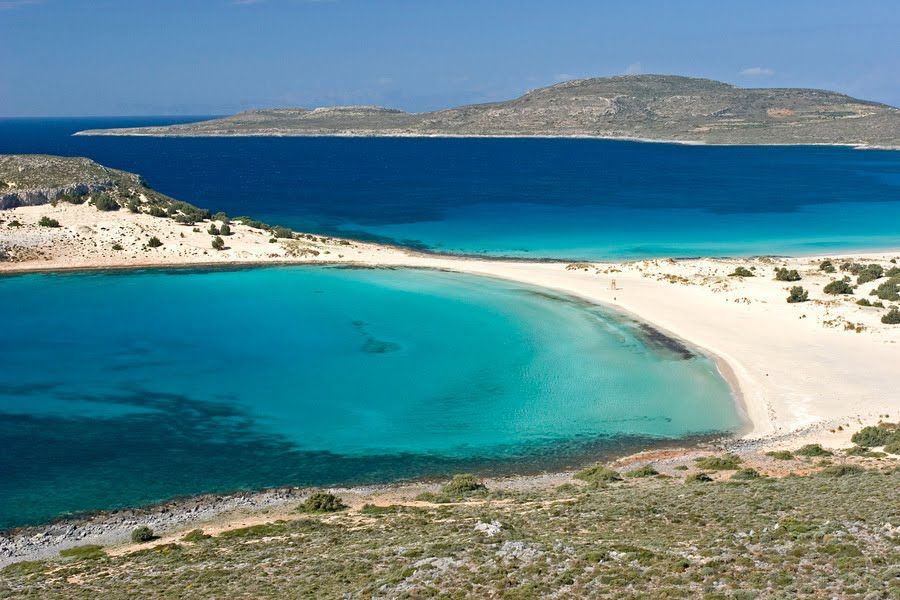
Elafonisos (Ionian)
In Elafonisos, free stopover is not well tolerated. There is only one campsite, right by the sea in front of the beautiful Simos beach, which serves as the base camp for almost all campers visiting the islet. The roads are paved and passable. 🏡 See the best hotels and studios in Elafonisos🛳️ Find a ferry to Elafonisos
Euboea
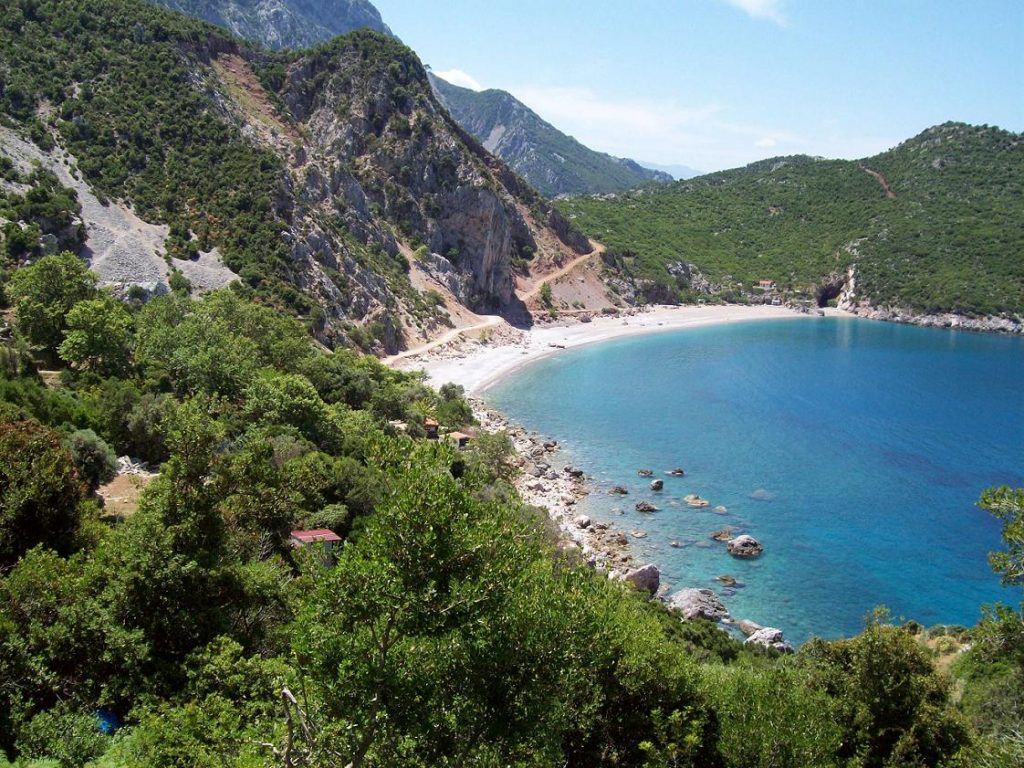
On the island, there are some campsites, but free stopover is the most common solution. There are very few campers around, which offers a different charm to the vacation, especially for those who love solitude, relaxation, and full contact with nature. The roads are widespread and paved, but there are also tortuous or sometimes challenging dirt roads if you are looking for remote beaches. Since it is connected to the mainland by a bridge, the second ferry is avoided. 🏡 See the best hotels and studios in Euboea🛳️ Find a ferry to Euboea
Lefkada (Ionian)
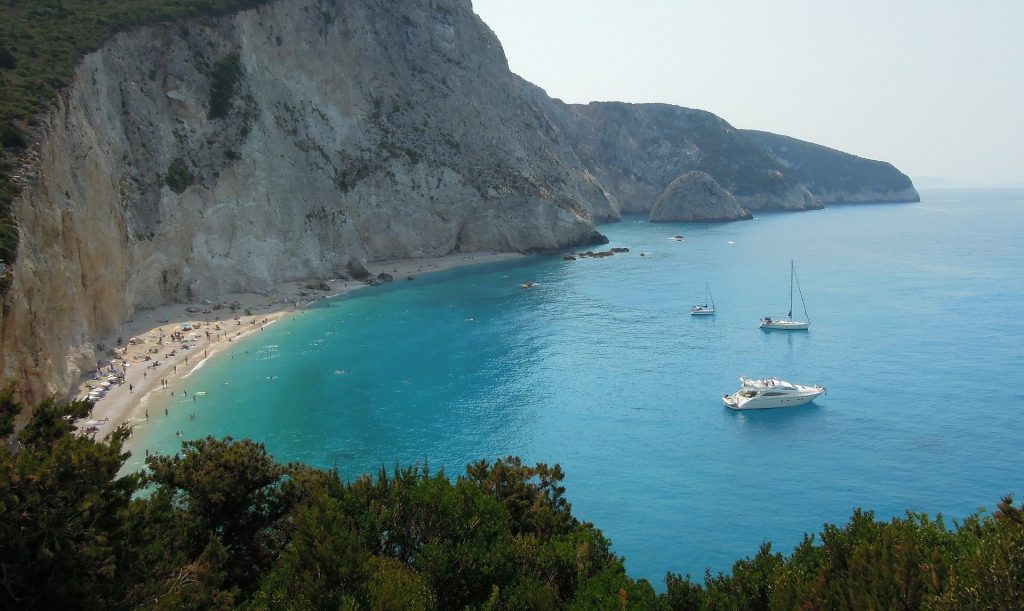
Among the easiest islands to reach by camper is Lefkada, connected to the mainland by a bridge and not far from the port of Igoumenitsa. There are several campsites on the island that should be considered because free stopover is not well tolerated, especially along the eastern coast. The main island road, paved and wide, forms a sort of ring around the central mountainous area, so it is practicable but somewhat complex. Access to the sea is via narrower, not always paved roads. Particularly for Porto Katsiki in high season, it is advisable to travel the long paved but narrow road by camper during times of less traffic. 🏡 See the best hotels and studios in Lefkada🛳️ Find a ferry to Lefkada
Naxos (Cyclades)
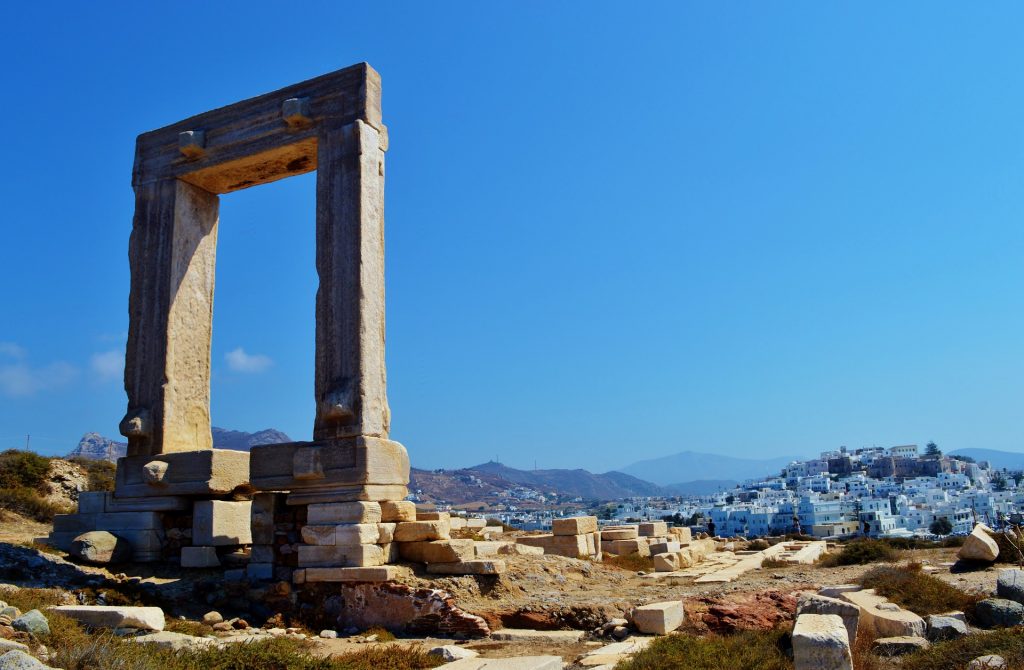
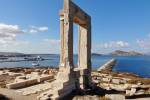
On the island, there are some campsites, but free stopover is practiced and very appreciated. In Chora, two free parking lots are available: one near the center and the other near the sports center. Even the various beautiful inland villages always offer parking possibilities.Among the most appreciated free stops (to be reached outside peak hours) is the one behind Aghios Prokopios beach with water loading and unloading possibilities.
The roads are generally quite good, even the dirt roads to reach the beaches often have longer but paved alternatives. Among the roads a bit difficult to travel by camper, there is the one that leads to Moutsouna because it is narrow and winding, not always with protections. 🏡 See the best hotels and studios in Naxos
🛳️ Find a ferry to Naxos
Paros (Cyclades)
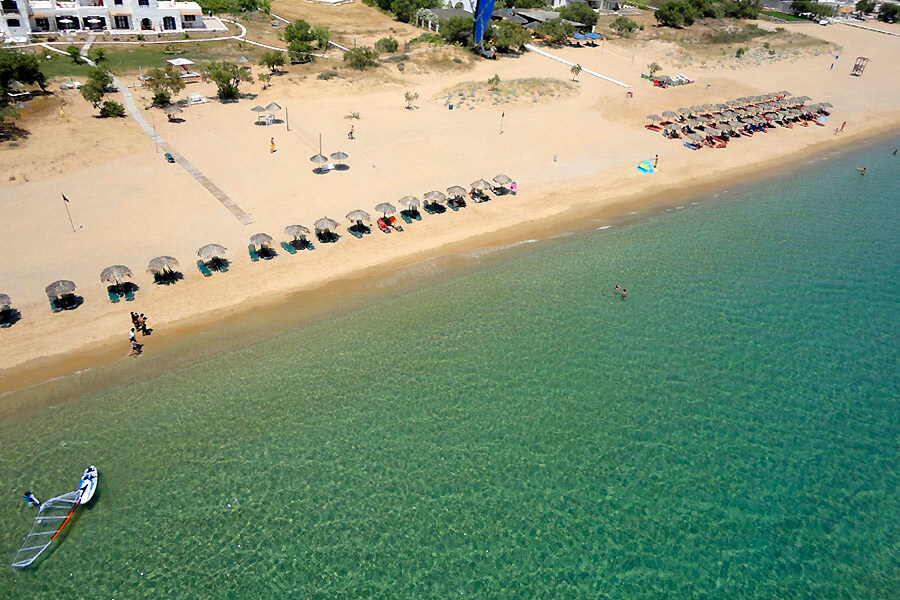
Paros is a tourist island that offers several campsites and parking possibilities practically in every village. Free stopover is possible in several places and the roads are very good because they almost all wind through flat areas. 🏡 See the best hotels and studios in Paros🛳️ Find a ferry to Paros
Rhodes (Dodecanese)
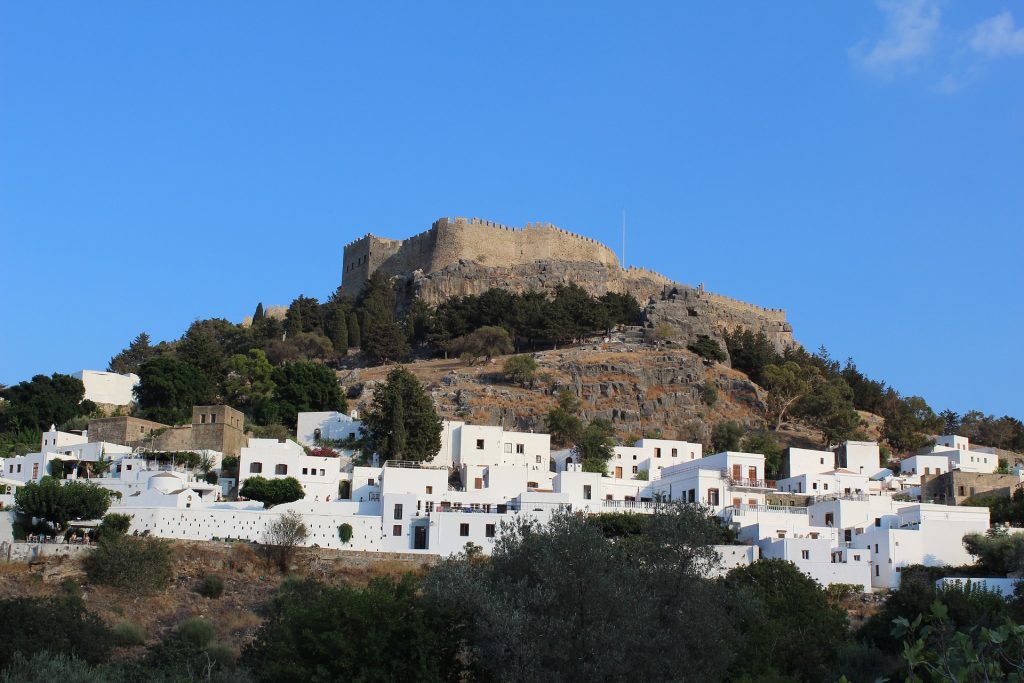
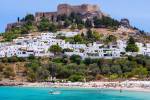
As with Crete, the journey to Rhodes takes two to three days, but then the island can be visited freely by camper. Since there are no campsites in Rhodes, free stopover is practically mandatory. During a visit to the fortified city of Rhodes, you can park your vehicle, for example, at the port, in various paid parking lots, or along the citadel walls. The island's road network is very good. 🏡 See the best hotels and studios in Rhodes🛳️ Find a ferry to Rhodes
Thassos (North Aegean)
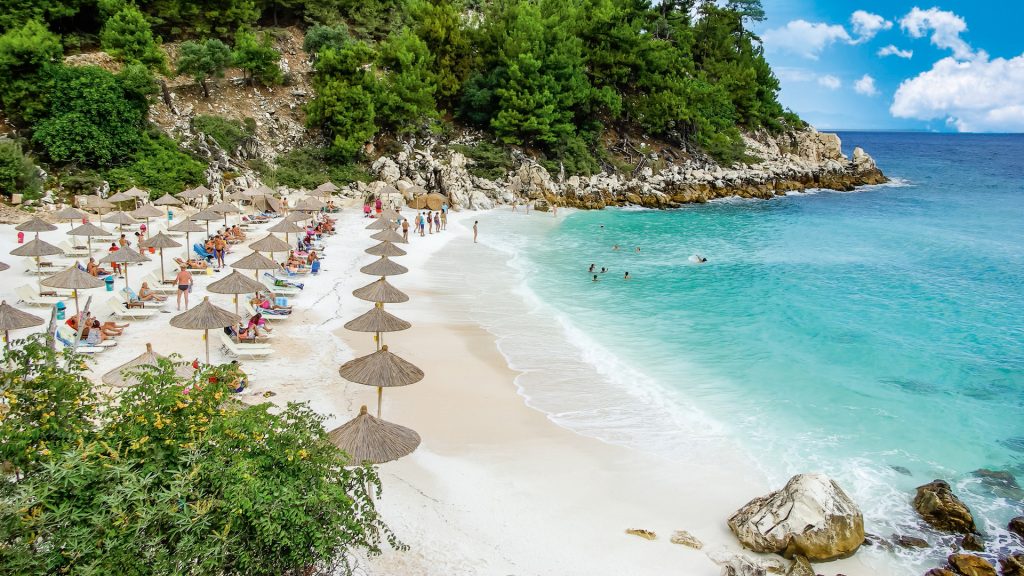
The island offers many campsites, so free stopover is tolerated up to a certain point. However, it is worth knowing that Thassos is rich in water, so it is not difficult to stock up for the vehicle. The road network is good along the coastal ring, while if you venture inland, the roads become hilly and narrow. Among the roads leading to the beach, the dirt road leading to Marble Beach (Saliara) is difficult. 🏡 See the best hotels and studios in Thassos🛳️ Find a ferry to Thassos
Zakynthos (Ionian)
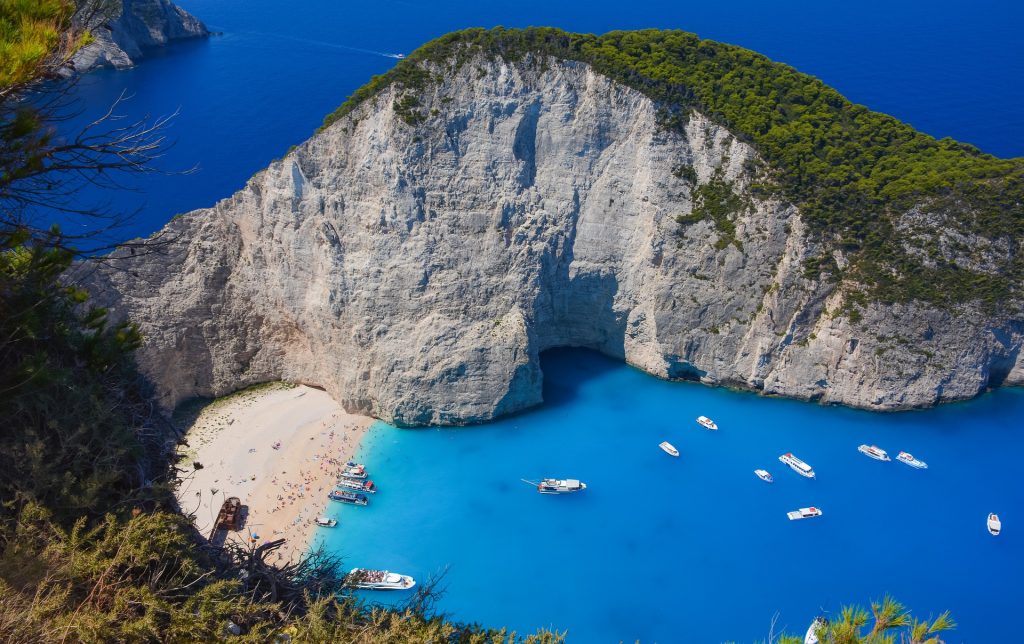
To book a ferry to Zakynthos go to this site. The island is touristy and offers several campsites, but free stopover is also possible (for example, at the port). Among the Greek islands, it is one of the easiest to reach by camper as there are ferries from Adriatic ports (e.g. Bari and Brindisi, Italy) that stop directly on the island. The roads are quite easy, even with a camper, and almost all are paved, allowing access to most tourist spots. If you head towards the mountainous interior, the roads become more winding. Some dirt roads leading to more hidden beaches, like Daphni, are quite challenging. It is worth noting that signage, almost only in Greek, can be an obstacle to getting around; a navigator can be particularly useful on this island. 🏡 See the best hotels and studios in Zakynthos🛳️ Find a ferry to Zakynthos
Popular Greek Islands
-
Santorini
Services:Archipelago: Cyclades -
Mykonos
Services:Archipelago: Cyclades -
Corfù
Services:Archipelago: Ionian -
Zante
Services:Archipelago: Ionian -
Crete
Services:Archipelago: Crete -
Kos
Services:Archipelago: Dodecanese -
Rodi
Services:Archipelago: Dodecanese -
Naxos
Services:Archipelago: Cyclades -
Paros
Services:Archipelago: Cyclades -
Antipaxos
Services:Archipelago: Ionian


