
Dodecanese
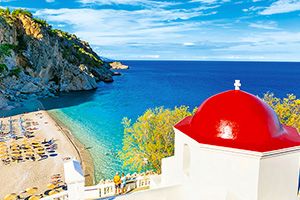
The Dodecanese does not consist of 12 islands, as its name would suggest, but many more; some, however, are uninhabited or simple islets. Situated between the East and the West, it has historically been an important point of exchange for goods and culture.
The ancient vestiges, particularly rich in this archipelago, still tell us today how different populations, religions, and cultures intertwined on these islands. The architecture of the buildings is very varied, and the imprint left by the Venetian occupation period is not negligible.
Currently, the Dodecanese is increasingly becoming a vacation destination not only for its monuments and historical sites but also for its beautiful sea, natural environment, and ever-developing tourist accommodations.
The archipelago has always centered around the island of Rhodes, but there are many islands worth visiting for a beautiful trip or vacation. We have reviewed 20 of them.
TABLE OF CONTENTS
- List of the 20 reviewed Dodecanese islands
- Map of the Dodecanese islands
- Which island to choose?
- How to reach the Dodecanese islands?
- Where to stay in the Dodecanese islands?
- Which are the most beautiful according to us?
- Which islands have an airport?
- What is the climate in the Dodecanese islands?
- Which are suitable for families with children?
- Which are the best for nightlife?
- Which are more economical?
- Which are less touristy?
- Which have the most beautiful sea and beaches?
- Which are less windy?
- Which are more windy?
- Which are the best for climbing?
List and Names of All 20 Reviewed Dodecanese Islands
Below you can find the list of all the 20 Dodecanese islands we have reviewed.
Clicking on an island will take you to an in-depth guide containing information on how to reach it, where to stay, what to see, and the best beaches!
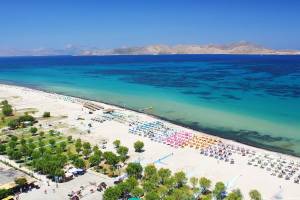


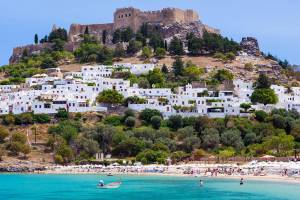

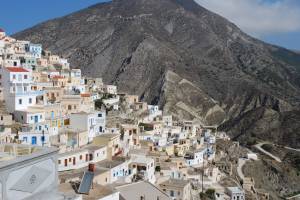
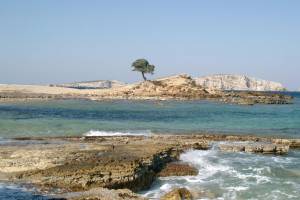

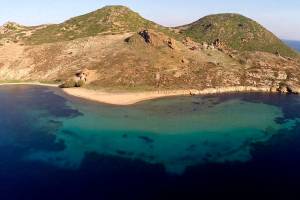
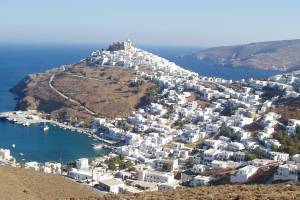
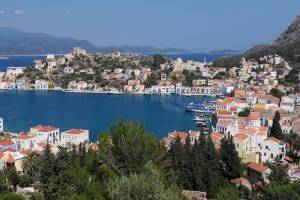
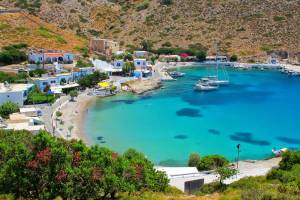
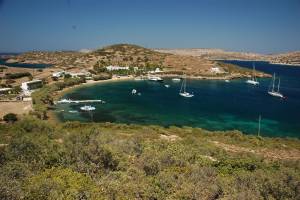

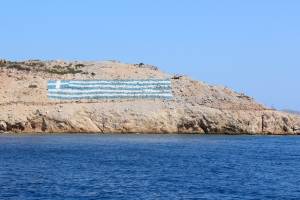
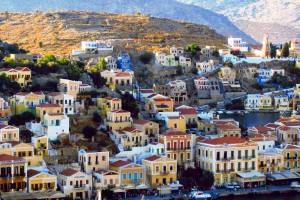
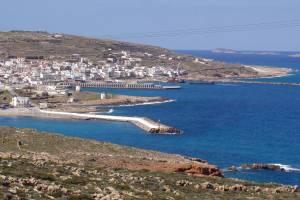
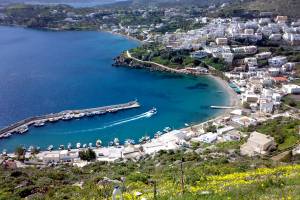
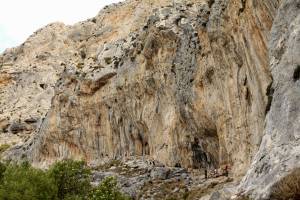
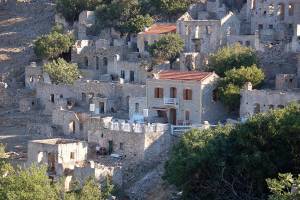
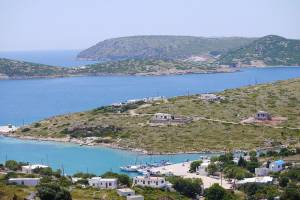
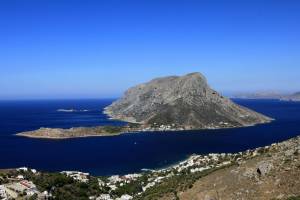
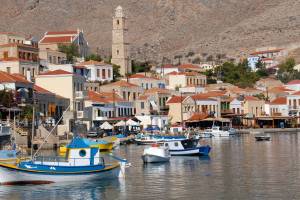
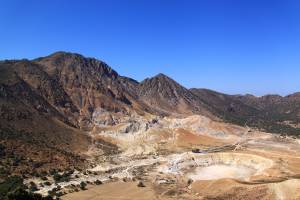
Map of the Dodecanese Islands
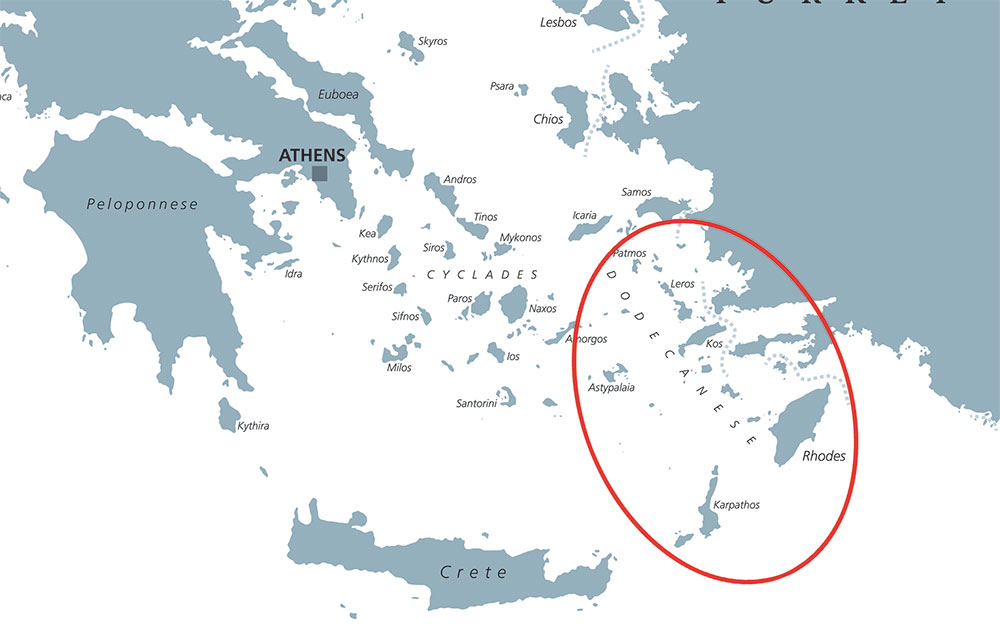
Where are the Dodecanese islands located? Just take a look at the map of Greece to see that they occupy the southern area of the Aegean Sea, precisely the stretch between Asia Minor, the Cyclades, and Crete. Looking at a map, the island of Samos marks the northern boundary. The archipelago comprises over 160 islands and islets, but only the largest ones are inhabited.
Due to their particular geographical location, these islands were dominated in the past by various peoples who left evident traces in architecture, culture, customs, and traditions. Inhabited since the distant Neolithic era, they were coveted islands for trade between Asia Minor, Crete, and mainland Greece. Their ancient history is directly linked to that of the island that has always been its center: Rhodes. Most of the trade between the East and the West took place mainly in Rhodes.
Now that we know where the Dodecanese islands are located, all that remains is to choose one or more for our vacation!
Dodecanese Islands: Which One to Choose?
Not many of the Dodecanese islands are known to mass tourism. We have likely heard of the large Rhodes and the lively Kos, but we may not know the names of many other beautiful islands in this interesting archipelago. So, which one to choose? Where to go for the first time? The islands are many and quite different from each other; let's try to provide some guidance to help you choose.
Rhodes
For a complete holiday: large, lively, rich in natural and artistic beauty.
Kos
Rich in archaeological sites, medieval and Turkish settings; it mainly attracts young people for its great animation, in addition to beautiful beaches and sea.
Patmos
For those seeking a bit of tranquility in a beautiful natural environment with a religious atmosphere that permeates the entire island.
Karpathos
For those who appreciate the wind and know how to use it for fun. Its coasts and mountain villages are very beautiful.
Kalymnos
Ideal for those who love fishing or swimming in crystal-clear waters, but especially for climbing enthusiasts. There are rock faces with every level of difficulty, some truly distinctive and unique.
Lipsi
For a vacation truly focused on relaxation, where beautiful beaches can be reached simply on foot and where you can still breathe the Greek atmosphere.
How to Reach the Dodecanese Islands?
Some Dodecanese islands are easily accessible by direct flight from many European cities, for others the journey may be a bit longer but never particularly tiring. Here are the main ways to reach them:
Flight
Directly by plane to those with an international airport. In high season, direct flights operate from many European cities including the UK, Germany, Scandinavia, Italy, and more. For a list of Greek islands with airports, you can check this article.
International Flight + Domestic Flight
By plane to Athens (Elefthérios Venizélos International Airport) and then, still by plane (maximum 100 seats), with a short domestic flight.
Flight + Ferry
By plane to Athens (Elefthérios Venizélos International Airport) and then by ferry from the port of Piraeus, about 45km away. The Dodecanese islands accessible by sea from the port of Piraeus (almost all) are listed in this article, which also specifies an approximate travel time. Directions to reach Piraeus from the airport are provided in this article from our blog. For a trip structured with a flight and then a ferry leg, the international airports of the islands of Rhodes, Kos, and Karpathos can obviously also be used.
Car + Ferry
By car (or other private means such as motorbike or camper) to the departure port. Travellers from Western Europe can take a ferry from Adriatic ports (such as Venice, Ancona, Bari, or Brindisi in Italy) to Igoumenitsa or Patras, then drive to Piraeus and board the ferry. Those driving from Northern or Eastern Europe can reach Piraeus via the Balkans.
Where to Stay in the Dodecanese Islands?
After choosing the island for our holidays, we need to decide where to stay. Accommodation options range from magnificent resorts to simple campsites, passing through hotels and lodgings of every category, tourist villages, and especially studios, typical of Greek hospitality. Regarding luxury accommodation, that is, resorts with every comfort and the possibility to enjoy excellent entertainment and sports, the best-equipped islands are Rhodes and Kos.
If instead you are looking for a camping site, the choice falls between Rhodes, Astypalea, and Leros. It is noted that free camping is prohibited in Greece, but in some islands, it is still tolerated, provided it is done with respect for the environment and people.
As for hotels and lodgings of all categories, they are present practically on all the major islands. The most characteristic accommodations, however, remain the studios. These are small accommodations (studios or two-room apartments) with typical Greek architecture. They are generally economical and family-run, furnished simply but functionally and pleasantly. They are always equipped with a kitchenette that can be very useful, for example, if you miss a plate of pasta! Some stays in studios also include breakfast, and if the owners have a garden, you are often supplied with their fruit and vegetables. It is not uncommon to make friends with both the hosts, usually friendly and helpful, and the neighbors thanks to the friendly atmosphere that is easily created.
The Most Beautiful Dodecanese Islands According to Us
According to us, the Dodecanese islands we recommend are: Rhodes, Kos, Lipsi, Symi, and Astypalea. We consider them the most beautiful from a landscape and atmosphere point of view, but to these, we can add, for example, Karpathos (for those who love a bit of wild beauty), Patmos (for those who love mysticism and religiosity), Kastellorizo (for its beautiful sea and the setting of the movie “Mediterraneo”), and Kalymnos (for climbers).
Giving advice on where to go and what to see in the Dodecanese archipelago is not easy. Depending on your needs and expectations, you may prefer one island over another. The choice can be determined by the sea, beaches, entertainment, nature, sports, the search for tranquility, archaeological sites, costs, accessibility, and much more. Since the great Dodecanese offers a bit of all this, we can say that among the islands of this archipelago there is surely the one that suits us. Returning to our five favorites, let's see what to absolutely see or do once we get to the island.
Rhodes
Visit the charming old town, the valley of the butterflies, the maritime area of Lindos, and the picturesque village of Embonas.
Kos
Visit the lively town of Kos rich in ancient remains, but also the many traditional and picturesque villages of the island.
Lipsi
Walks to the beautiful beaches in a still traditional and peaceful atmosphere.
Symi
Visit Ano Symi and Kato Symi with their colorful buildings and the famous monastery of Panormitis.
Astypalea
Visit its beautiful Chora, sandy beaches, and the Dragon's Cave.
Dodecanese Islands with Airports
The Dodecanese islands that can be reached directly by plane, as they have international airports, are Rhodes, Kos, and Karpathos.
Regarding Rhodes, its airport is Diagoras (RHO) and is located 15 kilometers from the capital. It can definitely be reached directly from the Italian airports of Rome (Fiumicino), Milan (Malpensa), Venice (Marco Polo), and Verona (Valerio Catullo).
For Kos, its airport is Hippocrates (KGS), located 24 kilometers from the capital. It can also be reached directly from Italy, especially from Milan (Malpensa) and Bologna (Guglielmo Marconi).
Lastly, Karpathos has the international airport of Amoopi (AOK), located 15 kilometers from the capital, but direct flights from Italy are mainly charter flights.
The Dodecanese islands that have only a domestic airport, and can therefore only be reached by flight with a transfer at the international airport of Athens (Elefthérios Venizélos), Rhodes (Diagoras), or Kos (Hippocrates), are: Astypalea (Astypalea Island National Airport - JTY, 12 kilometers from the capital), Kastellorizo (Kastellorizo National Airport – KZS, 3 kilometers from the capital), Kalymnos (Kalymnos Island National Airport – JKL, 3 kilometers from the capital), Kassos (Aghia Marina National Airport – KSJ, 1 kilometer from the capital) and Leros (Leros National Airport – LRS, 10 kilometers from the capital).
Climate, Weather, and Temperatures in the Dodecanese Islands
The climate in the Dodecanese islands is typically Mediterranean: winters are quite humid but not particularly cold, while summers are dry, hot, and sunny. Both the air temperature and the sea temperature do not experience excessive fluctuations and remain within more than acceptable values. Like the Cyclades, they are affected by the Meltemi wind in summer, which, however, blows less strongly and less frequently here. Winters are not particularly cold; in fact, snowfalls are very rare. Being a very extensive archipelago, from north to south, the Dodecanese islands in the southern area are obviously warmer. For a beach vacation, the most suitable period is from mid-June to September. For a purely cultural holiday, summer may be a bit too hot to explore archaeological sites, especially if they are not by the sea.
As for the Meltemi, coming from the North/Northwest, it should be noted that its presence in summer is not always unwelcome because it keeps the skies clear, makes the heat more bearable, and entertains kitesurfing and windsurfing enthusiasts. On the downside, it agitates the sea, cools it down a bit, and can be bothersome on sandy beaches.
Let's now see, month by month, the average temperatures and other information about the climate:
| Month | Air Temperature | Precipitation | Sea Temperature |
|---|---|---|---|
| January | 8°-13° | frequent | 17° |
| February | 7°-12° | frequent | 16° |
| March | 9°-15° | medium | 16° |
| April | 12°-18° | few | 17° |
| May | 15°-23° | few | 19° |
| June | 19°-27° | none | 22°-23° |
| July | 21°- 30° | none | 23°-25° |
| August | 21°-29° | none | 24°-26° |
| September | 19°-27° | none | 24°-25° |
| October | 16°-22° | medium | 22°-23° |
| November | 12°-18° | medium | 19°-21° |
| December | 9°-14° | frequent | 17°-18° |
Dodecanese Islands Suitable for Families with Children
It is not easy to say if an island is suitable for families with children, or rather, to recommend a particular one. Generally, a place is considered suitable for a family vacation with small children when it offers easy connections, a pleasant but safe natural environment, suitable entertainment and sports, and interesting places or landmarks to visit. For more anxious parents, or those with children who are somewhat delicate health-wise, the presence of a medical clinic, if not a hospital, can also be reassuring. As for accommodation and dining, there should never be any problems: the food is not spicy or particularly “exotic,” and the hospitality facilities in the Dodecanese islands are clean and functional. Obviously, for families with children who adapt to everything, and whose parents love to give them every type of experience, any island can become a great place for adventurous family vacations!
To narrow down the choice a bit, we have selected three islands where maybe not all the desired features coexist but will surely be appreciated by children and parents for their beauty, attractions, freedom, and relaxation.
Kos
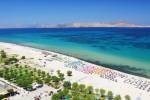
Easily reachable with a direct flight from Italy, Kos offers everything a family with children might want: beautiful transparent sea, large sandy beaches, water parks, but also archaeological sites, inland excursions, all kinds of accommodations (often at reasonable prices), and even a hospital. Additionally, the road network is more than good.
Rhodes
As in almost all large islands, Rhodes offers everything families with children might want: sandy beaches, all kinds of entertainment, a very beautiful sea, archaeological and natural attractions, great hospitality, and a hospital (if needed). The roads are very good, and the island is easily reachable with a direct flight.
Lipsi
For a vacation where you can let your children roam freely on the island, which is very small, without road hazards (traffic is very limited), Lipsi is perfect. You can reach it with a flight to Kos and then a pleasant ferry ride. The island is almost flat, and the beautiful sandy beaches with shallow waters can easily be reached on foot. A vacation in full relaxation, away from crowds and organized entertainment, in a Greek atmosphere with a slow pace.
Dodecanese Islands for Those Seeking Fun and Nightlife
If the word vacation is associated with a certain type of fun, namely spending nights dancing in clubs filled with young people, then a couple of Dodecanese islands have a lot to offer. Naturally, in addition to the music-driven nightlife, one can also have fun at a beach party, engaging in water sports, visiting amusement parks, or simply chatting and joking around a table with new friends (perhaps improvising in some foreign languages). In the Dodecanese islands, the animation, never chaotic, is mainly present in Kos and Rhodes.
Kos
Highly appreciated by young people mainly from Northern Europe, England, but also from Italy, Kos in mid-summer is very lively. Nightlife, clubs, discos, and all kinds of parties are mainly found in the capital and Kardamena. The island also has a couple of water parks.
Rhodes
Like in Kos, there is no shortage of entertainment, nightlife, drinks, music, and discos on this island. The young people who come here in summer are also mainly from England and Northern Europe. The most lively areas are Lindos, Faliraki, and the capital. For those seeking daytime fun, there are also several theme parks on the island.
Most Economical Dodecanese Islands for Those Looking to Save
If you have always dreamed of a vacation in Greece, perhaps on a Dodecanese island, but your budget has always seemed inadequate, you might reconsider. The archipelago has several economical islands where you can have a wonderful vacation without spending much.
The cost of the trip is certainly an important factor, and to evaluate this expense, it is necessary to analyze various aspects:
- travel by motorbike, car, camper, or bus
- ferries with or without a vehicle
- international flight and/or domestic flight
- rental of a vehicle on the island
- accommodations
- etc...
These articles discuss the topic and provide specific references to the Dodecanese islands:
- Ships and Ferries to the Greek Islands
- Greek islands reachable from Athens by air or from Piraeus by ship
- Which Greek islands have direct flights from Europe?
- Greek islands easy to reach by sea or air
- Which Greek islands have airports and can be reached by air?
As for accommodation, apart from tent and sleeping bag, the most economical solution is always to choose one of the many “studios” present on all the islands. These are small apartments with a kitchenette, usually family-run.
Given that with a bit of research and adaptability, every island offers “low-cost” solutions, below we list those we consider the most economical.
Kalymnos
A paradise for climbers but also for fishermen and divers. The island is far from mass tourism and has fascinating nature and crystal-clear sea.
Karpathos
For those seeking wild environments, fascinating but rugged nature, and beautiful beaches and picturesque mountain villages.
Kos
A modern island rich in antiquities, where tourists also appreciate its beautiful sandy beaches and characteristic villages in a somewhat Greek and somewhat Turkish atmosphere.
Leros
For those seeking tranquility and genuine atmospheres in contact with nature and away from mass tourism.
Symi
A very picturesque island, suitable for those seeking contact with wild nature and who can appreciate very unique architecture with colorful buildings rich in friezes, balconies, columns, and pediments.
Less Touristic and Quieter Dodecanese Islands
The Dodecanese archipelago includes some well-known islands, such as Kos and Rhodes, but several other islands are much less touristic and decidedly quieter. Some involve a somewhat longer and more complex journey, but for those seeking peace and relaxation, they are a perfect destination. On these islands, the range of services is certainly more limited, but the Greek atmosphere is more genuine. Let's take a brief look at some suggestions for choosing a less touristic Dodecanese island for a peaceful and relaxing vacation.
Astypalea
For those who love engaging with Greek traditions in a very beautiful natural environment, far from the main tourist routes.
Kalymnos
To enjoy sports (climbing and fishing) in complete tranquility on an island that primarily offers its beautiful natural environment.
Lipsi
For walking to the beach chosen for the day and enjoying the typically Greek atmosphere of the port in the evening.
Leros
For those who love spending relaxing days in contact with nature and perhaps even finding themselves abroad among Italians or Greeks who speak our language.
Of course, on all the smaller islands, the atmosphere is one of absolute relaxation, as they are still little touristic at the moment. These are:
- Agathonisi (bucolic walks to small beaches)
- Kassos (walks in search of windmills)
- Tilos (walks to discover castles)
- Arkoi and Marathi (beautiful swims and walks)
- Telendos (rock climbing)
- Chalki (colorful houses and sea)
- Nisyros (volcanic craters)
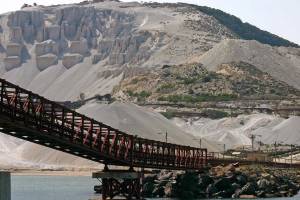
- Gyali (very white pumice quarry)
Dodecanese Islands with the Most Beautiful Sea and White Beaches
In Greece, the sea and beaches are generally beautiful; in the Dodecanese islands in particular, you can find beautiful beaches (although not exactly Caribbean) and crystal-clear, colorful sea. Let's highlight where you can find the most beautiful sea and beaches in this large archipelago.
| Island | Best Beaches |
|---|---|
| Kos | Banana Beach, Paradise Beach, Camel Beach, Agios Stefanos, Kamari, Kavo Paradiso, Mastichari, Tigaki |
| Rhodes | Faliraki, Ladiko, Tsambika, Agathi, Vliycha, Lindos, Lardos, Kiotari, Prassonissi |
| Karpathos | Megali Amopi, Diakoftis, Argilopotamos, Agios Theodoros, Lefkos, Vananda, Apella, Kyra Panaghia, Kato Lakko |
| Lipsi | Lientou, Platys Gialos, Hohlacoura, Monodendri |
| Patmos | Skala, Grikos, Petra, Psili Ammos, Livadi Geranou, Kampos, Agriolivadi |
| Astypalea | Livadia, Aghios Konstantinos, Kaminakia, Aghios Ioannis, Vatses, Maltezana |
| Agathonisi | Agios Georgios, Ormos Cochilia |
| Symi | Pedi, Agios Nikolaos, Agios Georgios, Faneromeni, Agios Vassilios, Agios Emilianos |
| Kassos | Emborios |
| Kalymnos | Palionisos |
| Tilos | Aghios Sergios, Eristos, Plaka |
| Arkoi | Tiganakia |
| Pserimos | Grafiothissa, Vathi |
| Chalki | Pontamos |
Less Windy Dodecanese Islands
Even in the Dodecanese, as in the Cyclades archipelago, the renowned Meltemi wind is felt in summer (although less intense, especially on islands near the coast). The wind is not always unwelcome because it can moderate certain otherwise very hot summer days. However, for those who cannot tolerate its presence, let's identify some sheltered beaches from the wind on the two main islands. Always keep in mind that, since the Meltemi blows from the North/Northeast, the bays positioned to the South/Southwest of the island can be sheltered, especially if they have hills behind them.
Kos
The beaches to avoid in case of wind are all those to the north of the island. Generally, the most sheltered areas are those of Kardamena and Kefalos.
Rhodes
The most exposed area to the winds is the western one, so the preferred beaches are on the east coast such as Kalithea, Faliraki, Lindos, Agathi, and Plimiri.
Windier Dodecanese Islands for Windsurfing and Kitesurfing Enthusiasts
Not everyone dislikes the Meltemi wind that blows in summer even in this archipelago. For windsurfing and kitesurfing enthusiasts, it is a blessing. Let's see which islands are best for practicing these sports safely.
Karpathos
Sports are practiced mainly in the south of the island, near the airport (Paradise Bay, Gun Bay, and Chicken Bay). The Meltemi wind blows strongly in Karpathos: keep this in mind!
Kos
An island perfect for those who love these sports. The most suitable beaches are particularly on the north coast of the island. We recommend Mastichari, Marmari, Tigaki, Kohilari, Psalidi, Kefalos, Agios Stefanos, and Lambi.
Rhodes
In Rhodes, these sports are practiced on the southern coast beaches: Prassonissi, Ialyssos, and Theologos.
Dodecanese Islands for Climbing
In this archipelago, those who love climbing can have a great time! Let's see which islands offer beautiful rock faces to climb.
Kalymnos
Famous worldwide for its beautiful limestone cliffs, often overlooking the sea. There are numerous routes, and the most challenging ones are Arhi, Grande Grotta, Odissey, Panorama, and Spartacus.
Karpathos
Recently discovered by the “climbing tourism,” it offers routes such as Adia, Arkassa, Afiartis, Achata, and Kira Panagia.
Rhodes
The famous Rhodes also presents several opportunities for those who love climbing.
Popular Greek Islands
-
Santorini
Services:Archipelago: Cyclades -
Mykonos
Services:Archipelago: Cyclades -
Corfù
Services:Archipelago: Ionian -
Zante
Services:Archipelago: Ionian -
Crete
Services:Archipelago: Crete -
Kos
Services:Archipelago: Dodecanese -
Rodi
Services:Archipelago: Dodecanese -
Naxos
Services:Archipelago: Cyclades -
Paros
Services:Archipelago: Cyclades -
Antipaxos
Services:Archipelago: Ionian
