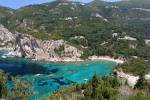
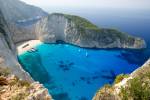
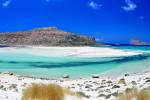
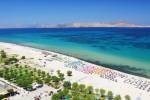
The inhabited Greek islands number just over 200, but if you count the uninhabited ones, including tiny islets, there are as many as 6,000. If you don't enjoy the company of other human beings or simply need to recharge by focusing on yourself, your family, or a few friends and nature, a deserted or almost uninhabited island is what you need. And Greece has quite a few of them.
Uninhabited Greek islands are the dream of many people; the reward after a year of stress, the well-deserved relaxation after much studying, or the best way to recover after a period of physical or mental illness. Not to mention the fact that such a vacation is undoubtedly cheaper, even though reaching the island may be a bit more complex, as well as finding accommodation. Once you arrive, however, it will be a paradise free from technology, confusion, and social obligations, even if only for a day.
Below, we list the deserted Greek islands or those with fewer than 100 inhabitants that we have found for you. Let us know if you feel like staying there forever!
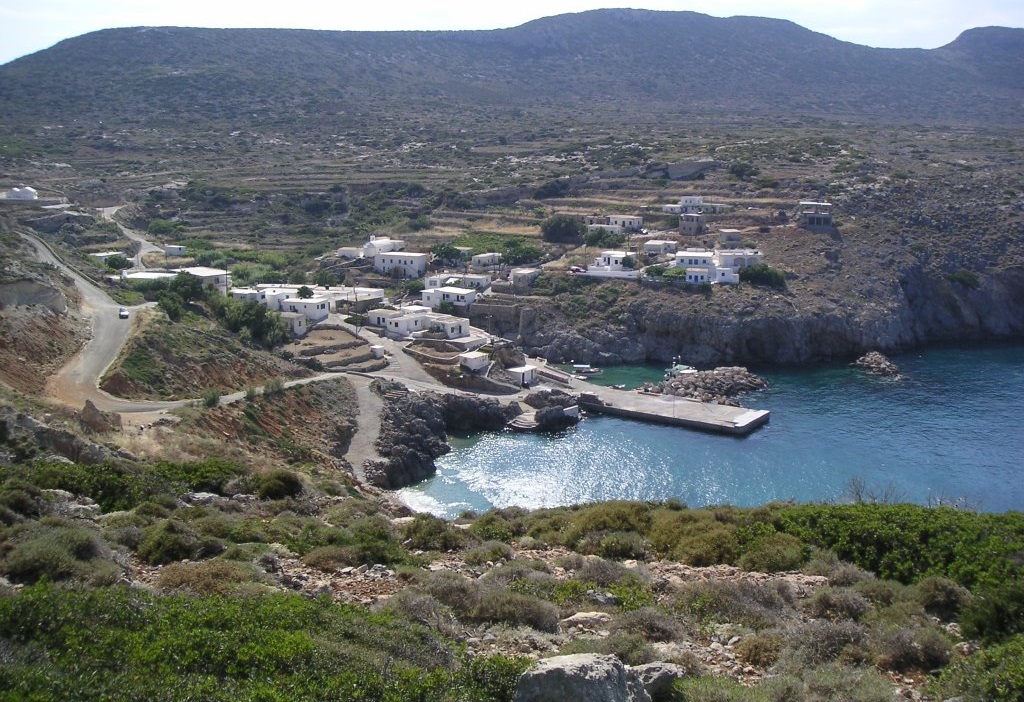
Approximately 50 inhabitants in 18 sq km, located south of the Peloponnese between Kythira and Crete. The island is rocky with some sheltered harbors (once used by pirates) and very few beaches. There is a village with a port. It became famous thanks to the discovery of the “Antikythera mechanism,” the world's oldest known mechanical astronomical calculator. The road network is decent.
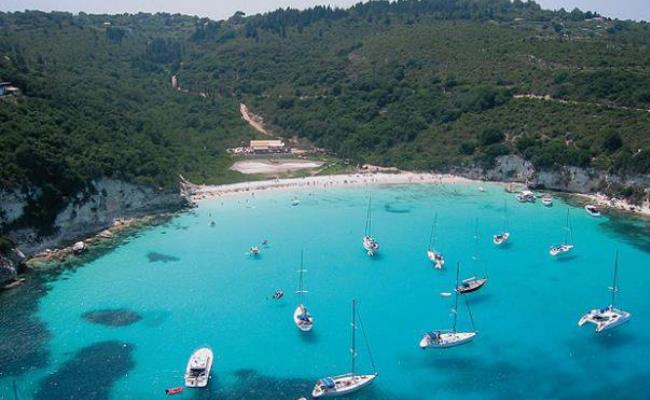
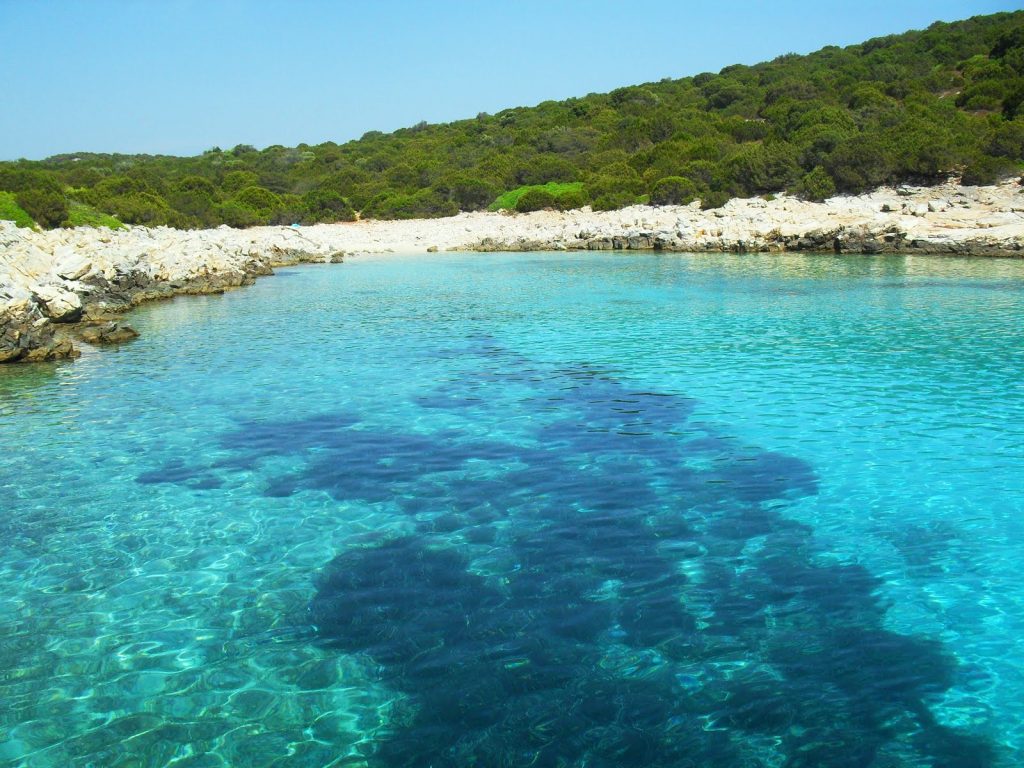
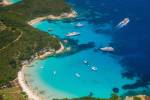
Approximately 100 inhabitants (not residents all year) in 5 sq km, located 2 nautical miles south of Paxi, between Corfu and Lefkada. The east coast offers beautiful Caribbean beaches, while the west coast is rugged. It should be noted that although Antipaxos is essentially quiet, it is overrun by day-trippers during high season. Being very small, it can be explored on foot.
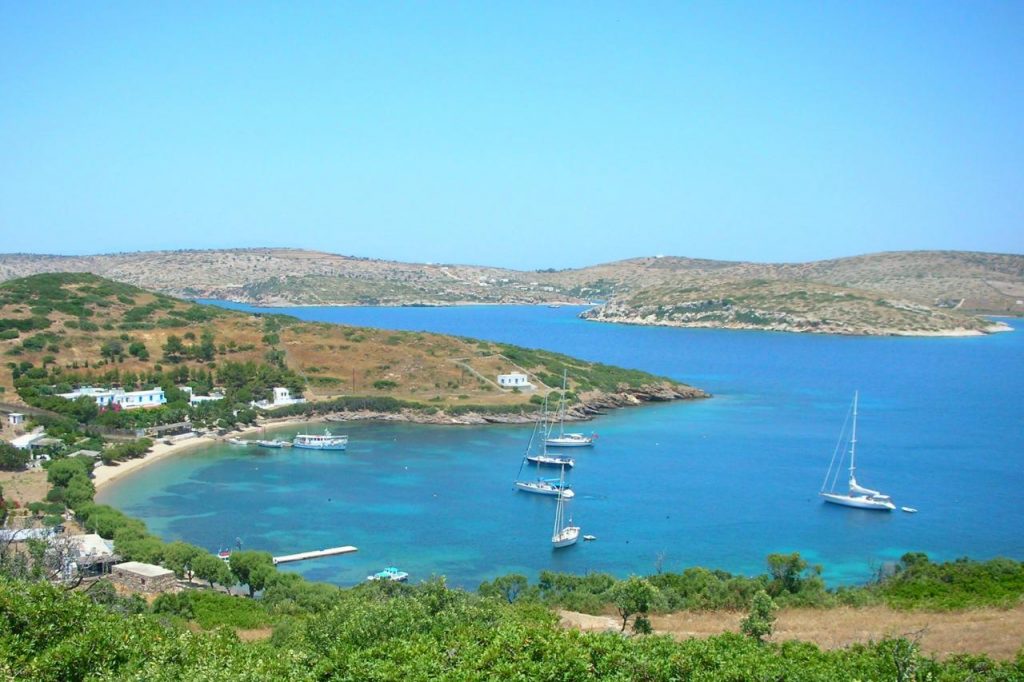
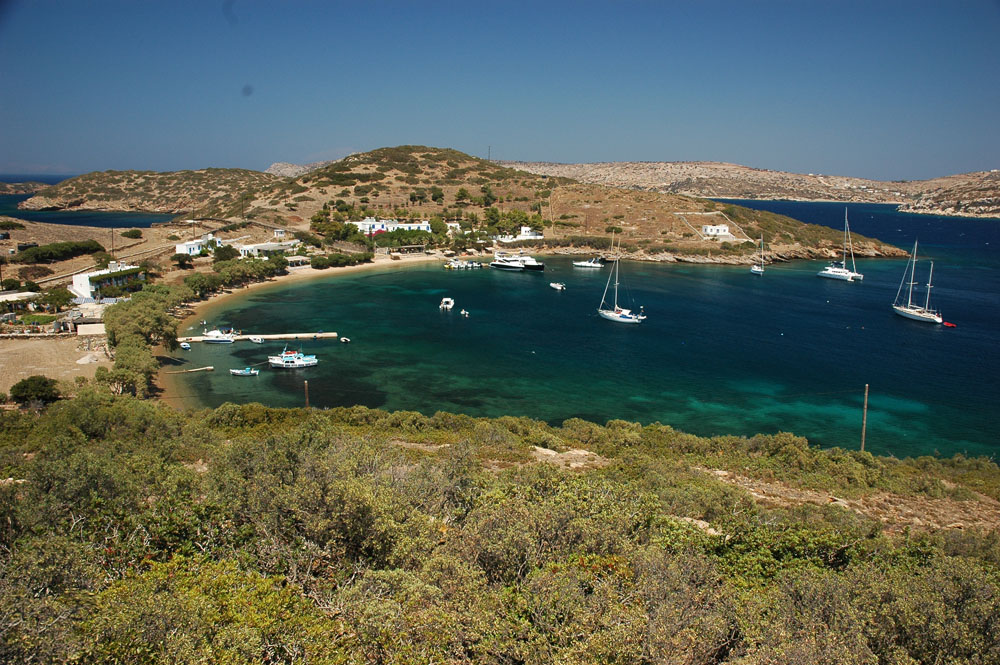
Approximately 50 inhabitants in 7 sq km, located east of Patmos and north of Lipsi. The island is arid, with rugged and rocky coasts but also some sandy beaches. It is mainly frequented by yachtsmen and tourists on classic day trips from nearby islands. On the island, you can move around on foot.
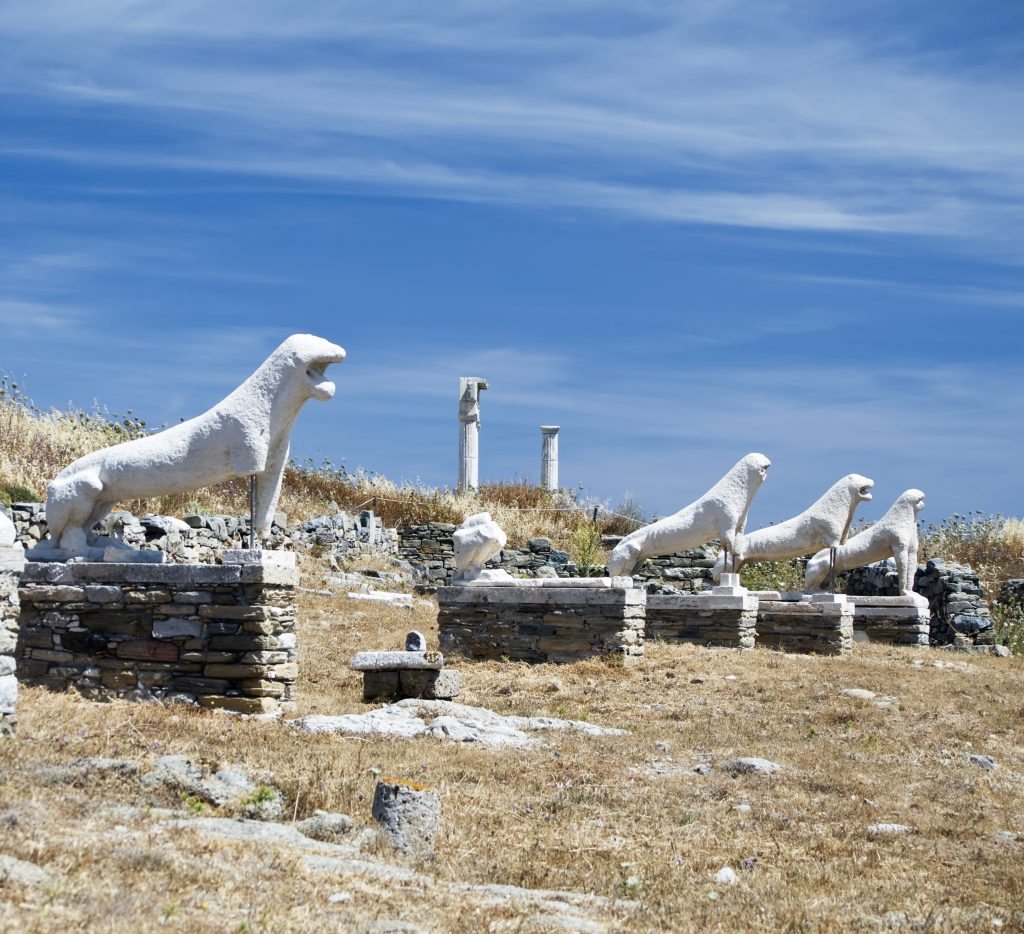
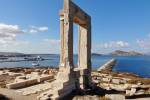
Delos is completely uninhabited and occupies an area of 4 sq km, which can be visited on foot. It is located in the center of the Cyclades archipelago near Mykonos. Composed mainly of granite, it is completely devoid of vegetation and particularly hot. In the past, it was the largest religious center of the Aegean as well as an important commercial port, and its splendor is still imaginable from the remains of the lavish villas that remain. The island is heavily visited by tourists on daily boat trips, but overnight stays are not allowed. There is only a small hotel with rooms reserved for archaeologists working on the island.
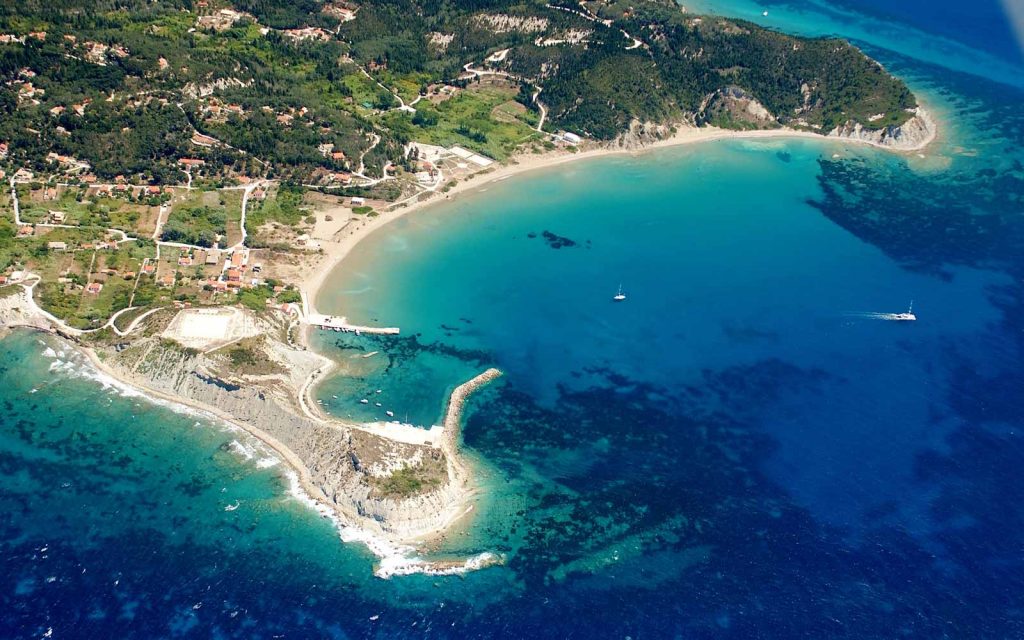
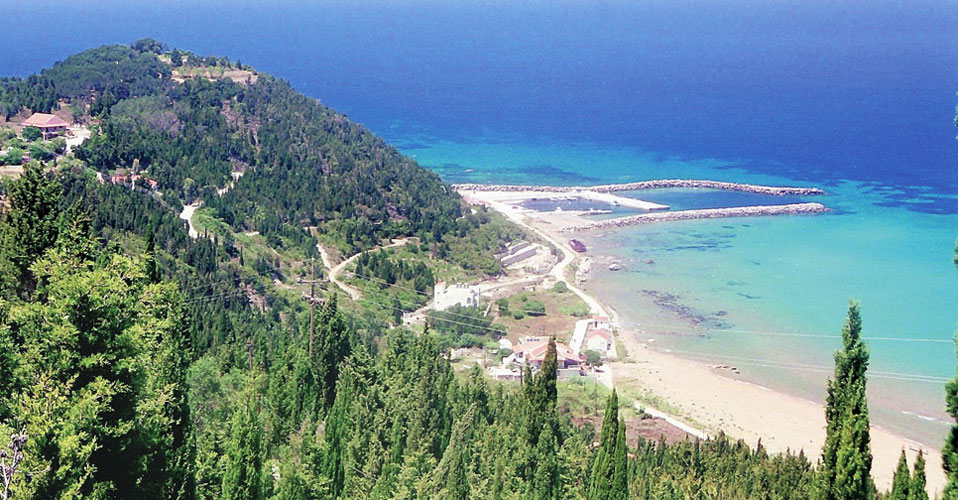
Approximately 90 inhabitants in 4 sq km, located northwest of Corfu, facing Albania. It is almost flat, very green, and has beautiful sandy beaches. There is a port and some small villages connected by very rarely used dirt roads. The island can also be visited only on foot.
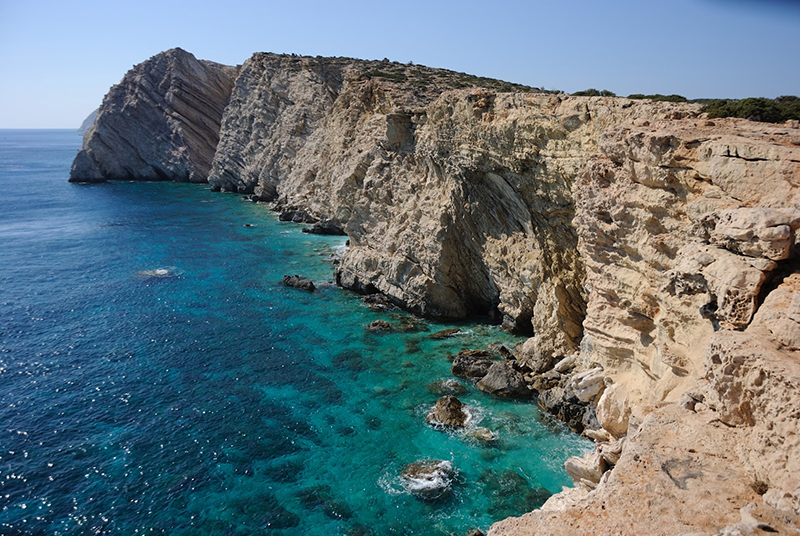
Approximately 100 inhabitants in 30 sq km, located at the southernmost point of Greece, below Crete. The island is rather wild with high cliffs but also very beautiful beaches. Its climate is of the African type: hot and windy. Its road network is very limited, as are the accommodation options.
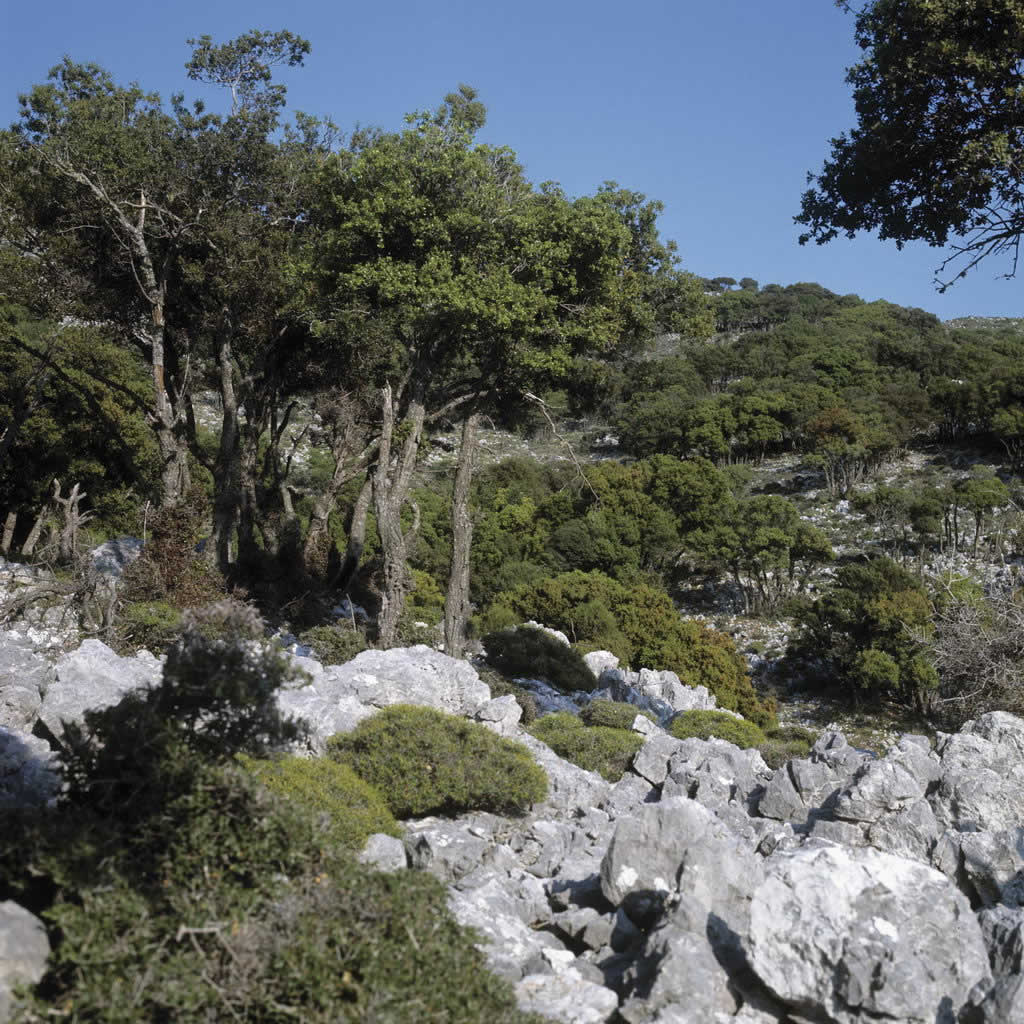
Ghioura is completely uninhabited and occupies an area of 11 sq km in the archipelago of islets around Alonissos. It is wild and very mountainous: practically impregnable and with an extraordinarily clear sea. Since 1988, it has been declared a marine park to preserve the environment still frequented by the rare monk seal. Around the island, swimming, snorkeling, taking photos, and filming are allowed, but fishing and hunting are not. Many seabirds, some rare, and a rare species of wild goat, the kri-kri, live on the island. Ghioura is devoid of anchorages.
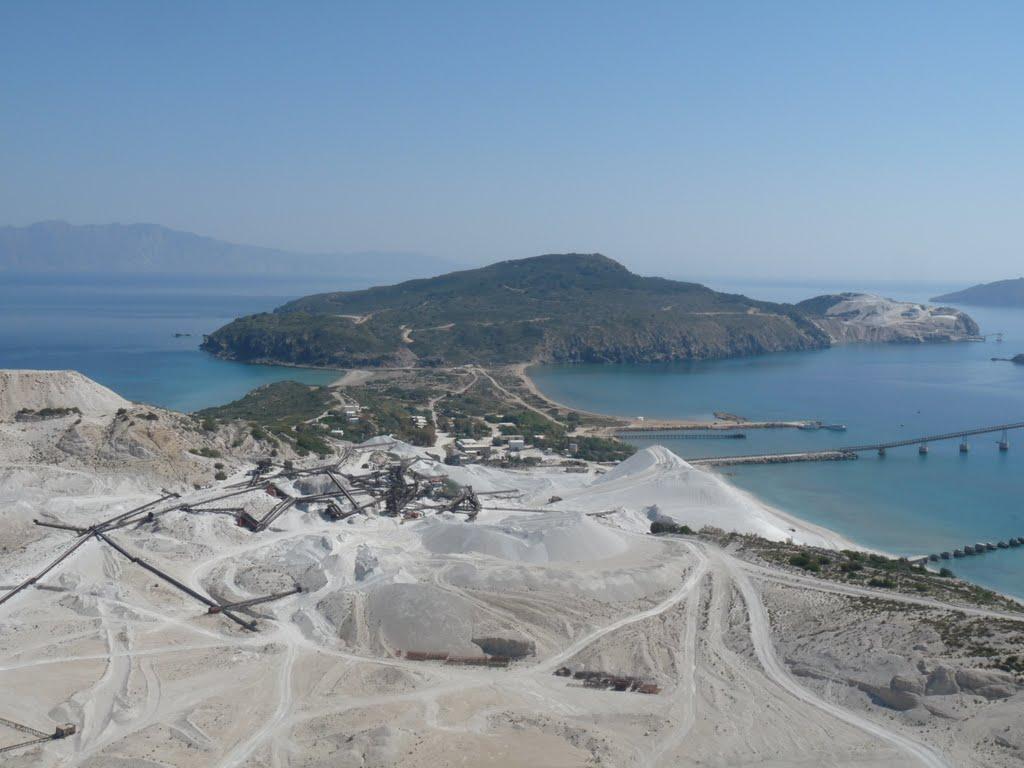
Approximately 20 inhabitants in 4.5 sq km, located between Kos and Nisyros. To visit it, you need a permit from the mining agency operating on the island. Gyali, of volcanic origin, is indeed monopolized by pumice, obsidian, and pyrite quarries. The island's inhabitants are mainly quarry workers, and the road network is functional for extraction activities.
Approximately 50 inhabitants in 6 sq km, located southeast of Lefkada. Kastos is a hilly island with steep and rugged coasts but also some small beaches. There is a village with a port and two roads that run the length of the island but are reserved for residents. Being small, it can easily be explored on foot.
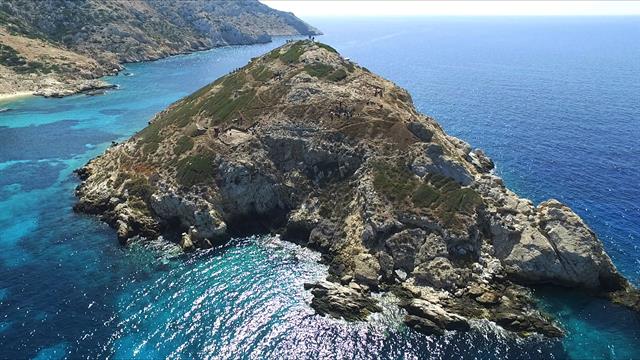
Keros is completely uninhabited and occupies an area of 15 sq km in the Small Cyclades archipelago. It is famous because many very ancient archaeological finds have been discovered there. Despite being at the center of Cycladic civilization in the past, today there are no villages or even a port. To visit it, you can easily go on foot, but overnight stays are not allowed.
About ten inhabitants in 25 sq km, located in the archipelago of islets around Alonissos. The island is only inhabited at certain times of the year by shepherds who raise goats. Around Kyra Panagia, swimming, snorkeling, taking photos, and filming are allowed, but fishing and hunting are not, as it is part of a marine park established in 1988; it is not possible to stay overnight. The island is a destination for sailors due to the presence of two very beautiful and absolutely sheltered natural ports.
About ten inhabitants in 0.35 sq km, located between Patmos and Lipsi. The island is little more than a large rock with some vegetation among which goats graze. The very few inhabitants live by fishing and manage a few taverns with rooms for rent. There are no roads on the island, but being tiny, it can be easily explored on foot along the paths.
Approximately 100 inhabitants in 4 sq km, located northwest of Corfu. Mathraki is very green and offers beautiful and long sandy beaches as well as cliffs. As far as tourism is concerned, it is worth noting that services in general are very limited. There are some inhabited areas and a port. There is a panoramic concrete road that runs through the island, but traffic is almost nonexistent; it can be easily explored on foot.
Fewer than ten inhabitants (present only in the summer season) in 16 sq km, located less than a mile from Alonissos, in its archipelago of islets. Since 1988, Peristera has been declared a marine park to preserve the environment still frequented by the rare monk seal. The island, unlike the others in the archipelago, is freely visitable (but it is not possible to stay overnight) and offers beautiful sandy beaches. Peristera is a refuge for seagulls, cormorants, many other birds, and the rare kri-kri goat species.
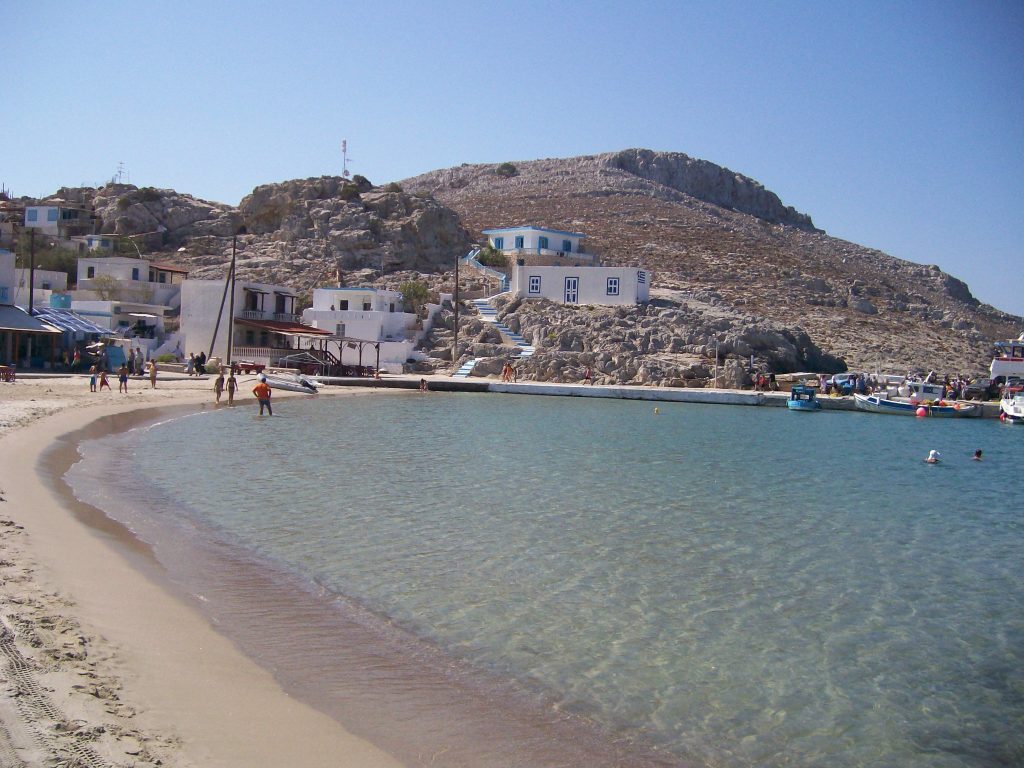
Approximately 80 inhabitants in 15 sq km, located between Kalymnos and Kos, very close to Turkey. The inhabitants mainly live off tourism, a bit of livestock farming, and fishing. There is a small village and port, but the road network is practically nonexistent: there are only footpaths.
Completely uninhabited, it occupies an area of 8 sq km and is part of the archipelago of islets around Alonissos. It is flat and surrounded by many islets. Since 1988, Skantzoura has been declared a marine park to preserve the environment still frequented by the rare monk seal. Around the island, swimming, snorkeling, taking photos, and filming are allowed, but fishing and hunting are not. Access to the island is only permitted for study and research purposes. There are several rare bird species, including birds of prey and many vipers.
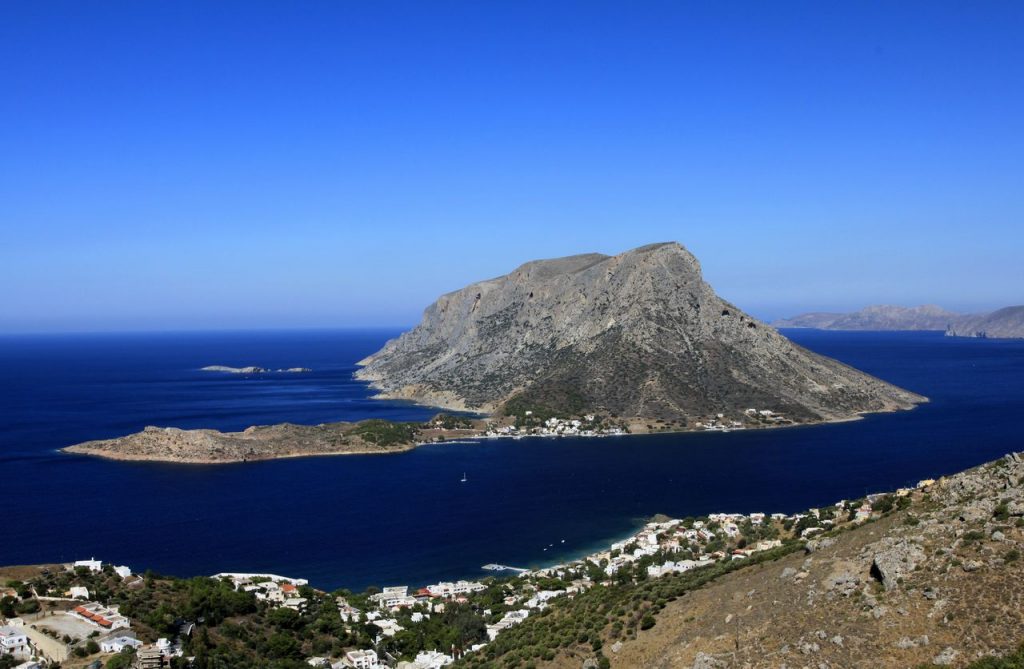
Approximately 40 inhabitants in 5 sq km, located right next to Kalymnos. The island is practically made up of an imposing mountain where many tourists go climbing. There is a village and a port, but there are no vehicles on Telendos: to move from one place to another, you walk along the paths that cross it.