Greece's Unvisited, Unfrequented, and Unknown Islands
Agistri: 1000 inhabitants in 13 sq km. It's the island of pines.
Aegina: 14,000 inhabitants in 87 sq km. In the past, it was the greatest Greek naval power and also the seat of the first Greek government.
Hydra: 3000 inhabitants in 52 sq km. The island is mainly frequented by artists and wealthy tourists. It has been declared a UNESCO World Heritage Site, and motor vehicles are prohibited on the island.
Poros: 4000 inhabitants in 49 sq km. It was the island of Poseidon, the God of the sea. Today, it is mostly visited by Athenians on weekends.
Spetses: 4500 inhabitants in 27 sq km. It is an elegant seaside resort, quiet and mainly frequented by Athenians and affluent tourists. Apart from buses, the only motor vehicles allowed on the roads are scooters and motorcycles. Even in the famous and touristy archipelago of the Cyclades, there are quiet islands:
Amorgos: 2000 inhabitants in 126 sq km. It is very windy and therefore loved by windsurfing or kitesurfing enthusiasts.
Anafi: 500 inhabitants in 38 sq km. Due to its remote location, it was used as a place of exile. The inhabitants are very traditionalist and love to defend the island's centuries-old peculiarities.
Andros: 10,000 inhabitants in 380 sq km. Unlike all the other Cyclades islands, it has many forests, valleys, vineyards, olive groves, orchards, and especially an abundance of water. The island is very large, and tourism, which arrived recently, is mainly concentrated in the western area of Batsi, so the rest of the island is still very quiet.
Iraklia: 140 inhabitants in 18 sq km. It is part of the "Small Cyclades" archipelago.
Kea: 2500 inhabitants in 121 sq km. It is quiet, but being the closest Cyclades island to the mainland, it welcomes many Athenians during weekends. Singing and dancing are still very much alive in popular culture.
Kimolos: 800 inhabitants in 36 sq km. Rich in fauna, in its sea, you can find the monk seal, while various types of birds and reptiles nest on land. In the past, kaolin and gypsum extraction was thriving: the island indeed has a white appearance.
Kythnos: 1600 inhabitants in 100 sq km. It has the only therapeutic thermal station in the Cyclades. In the past, it was a model city-state, cited as an example by Aristotle. Today, it is at the forefront of using alternative energies. Due to its proximity to the mainland, it is mainly frequented by Greeks.
Schinoussa: 150 inhabitants in 9 sq km. It is part of the "Small Cyclades" archipelago.
Serifos: 1400 inhabitants in 75 sq km. In the recent past, mineral extraction, particularly iron, was thriving on the island. Its coasts, very windy, are characterized by steep cliffs hosting many unspoiled bays.
Sifnos: 2400 inhabitants in 74 sq km. In the past, mineral extraction, including gold and silver, enriched the population. Characterized by the presence of many churches, chapels, and monasteries, it boasts excellent cuisine and has tourism mainly of young people.
Sikinos: 250 inhabitants in 41 sq km. Similar to a large rock, its north-western coasts are literally cliffed.
Syros: 22,000 inhabitants in 86 sq km. The northern part of the island is almost uninhabited and devoid of roads, therefore absolutely wild. It can be considered a cultured island, as in the capital there is a theater built in imitation of La Scala in Milan where operas and concerts are held. Syros is somewhat different from the other Cyclades also because its inhabitants are predominantly Catholic.
Thirasia: 260 inhabitants in 9 sq km. It is part of the volcanic islands of Santorini that surround the old crater. It is the only inhabited one and has two beautiful white villages. Even in the Sporades archipelago, where Skiathos is anything but a little-frequented island, there are islands with still reduced tourism:
Alonissos: 3000 inhabitants in 64 sq km. Rich in marine beauty, the island is part of an important natural park that includes the surrounding islets that host the rare monk seal species.
Skyros: 3000 inhabitants in 223 sq km. It is composed of two different areas: the north more similar to the other Sporades and the south arid, windy, and uninhabited. Among the curiosities, the presence of a rare species of dwarf horses about one meter high should be noted. In the Dodecanese, there are many islands that offer unspoiled and relaxing landscapes:
Astypalea: 1300 inhabitants in 97 sq km. The island is shaped like a butterfly with one wing rocky and barren and the other hilly and gentle. An environmental characteristic of Astypalea is that there are no snakes.
Kalymnos: 16,000 inhabitants in 135 sq km. In all of Greece, Kalymnos is the only place where the tradition of sponge harvesting is still alive, although only the most experienced fishermen on the island can find them.
Kassos: 1000 inhabitants in 69 sq km. Many islanders are sailors, shipowners, or captains, and the sea is very rich in fish. In summer, it is populated for vacations by the children of islanders who emigrated abroad in the past.
Leros: 8000 inhabitants in 53 sq km. It is a quiet island, although the port of Lakki always hosts many boats. In Leros, several elderly people speak our language due to the Italian occupation during the fascist period.
Lipsi: 700 inhabitants in 17 sq km. The island is little more than a limestone rock, a reserve for fishermen, with nature reminiscent of Africa due to the presence of palm trees. There is an excellent carpet weaving school in the Persian style.
Nisyros: 1000 inhabitants in 41 sq km. It is of volcanic origin and has several craters inside, particularly one that is still partially active (fumaroles, boiling mud, and hot sulfur springs) in an environment of a thousand colored shades. The island is subject to slight seismic activity.
Tilos: 400 inhabitants in 63 sq km. It is of volcanic origin, and there are several watercourses on its territory, making it fertile and home to many varieties of birds and animals. In the Ionian Islands, among the most unspoiled, we mention:
Kythira: 3600 inhabitants in 278 sq km. It is a quiet island, although in high season, its beaches are crowded with bathers. Its appearance is more similar to the Cyclades than the green Ionian Islands. It is famous for being the birthplace of Aphrodite (the goddess of love), according to mythology.
Ithaca: 3500 inhabitants in 118 sq km. It is known worldwide mainly for being the homeland of Odysseus, who stayed away from his beloved island and his wife Penelope for 20 years. It has therefore become the symbol of adventure, nostalgia, and fidelity.
Othoni: 700 inhabitants in 10 sq km. It belongs to the small Diapontia archipelago, off the coast of Corfu. Although it is essentially quiet, in high season, it is heavily visited by tourists on day trips or sailing. In the Northeast Aegean archipelago, we highlight the less crowded islands:
Fourni: 1400 inhabitants in 32 sq km. It is the most inhabited of the twelve islets that form the Fourni archipelago, off Ikaria. Very wild and absolutely tranquil.
Ikaria: 8500 inhabitants in 254 sq km. The southern part of the island is devoid of roads and almost uninhabited, unlike the northern part. The fact that its inhabitants are very long-lived may even make you decide to live there: the average life expectancy on the island exceeds 90 years!
Limnos: 18,000 inhabitants in 476 sq km. It is large but very quiet. Its sea is particularly fishy because the island is located at the center of large seasonal fish migrations: bring your fishing gear if you love fishing.
Samothrace: 2800 inhabitants in 178 sq km. It is very close to Turkey and has a cool climate. Samothrace is rich in vegetation and watercourses that often form beautiful waterfalls and lakes.
Popular Greek Islands
-
Santorini
Services:Archipelago: Cyclades -
Mykonos
Services:Archipelago: Cyclades -
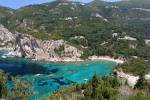
Corfù
Services:Archipelago: Ionian -
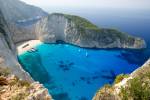
Zante
Services:Archipelago: Ionian -
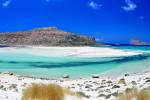
Crete
Services:Archipelago: Crete -
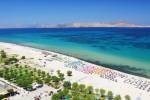
Kos
Services:Archipelago: Dodecanese -
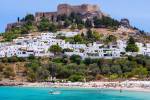
Rodi
Services:Archipelago: Dodecanese -
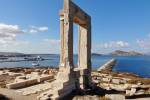
Naxos
Services:Archipelago: Cyclades -
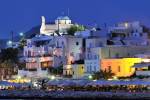
Paros
Services:Archipelago: Cyclades -
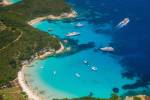
Antipaxos
Services:Archipelago: Ionian


